Post-Christmas Strategy: How to Turn Festive Buyers into Long-Term Customers
For many brands, Christmas represents the largest revenue spike of the year — followed by one of the sharpest drop-offs. December delivers scale, but January often delivers silence. The problem isn’t demand; it’s strategy.
Post-Christmas is one of the most undervalued growth windows in the marketing calendar. Brands that treat Christmas as the end of the journey miss the opportunity to convert seasonal demand into sustained customer value.
The data is clear: the real return on Christmas marketing is realised after Christmas.
Christmas Acquires Customers at Scale — But Without Loyalty Built In
Christmas shoppers behave differently from in-year customers. Many are first-time buyers, purchasing out of necessity or gifting urgency rather than brand preference. Others are gift recipients who never actively chose the brand at all.
According to McKinsey, up to 70% of holiday customers are new or infrequent buyers, making Christmas one of the largest acquisition moments of the year — but also one of the weakest for immediate loyalty.
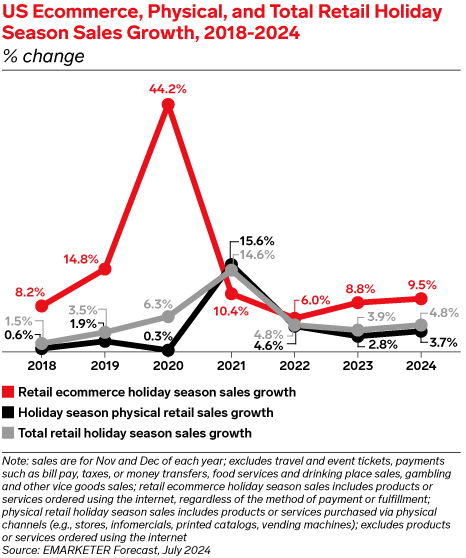
This creates a paradox: brands invest heavily to acquire customers in December, then reduce communication and spend precisely when those customers are forming their first real opinions.
Why Brands Lose Momentum After Christmas
The most common post-Christmas mistake is going quiet. Marketing teams often scale down campaigns, pivot immediately to New Year messaging, or pause activity entirely. As a result, customers disengage — not because they lack interest, but because there is no narrative guiding them forward.
Christmas isn’t the finish line. It’s the handover point.
Research from Bain & Company shows that increasing customer retention by just 5% can increase profits by 25% to 95%, yet most brands underinvest in retention immediately after peak acquisition periods.
January Is a Retention Opportunity, Not a Revenue Slump
While January is often perceived as a slow sales month, behavioural data tells a different story. Consumers are more reflective, intentional, and selective in the weeks after Christmas. They are deciding which brands remain relevant beyond gifting.
According to Salesforce, customers who receive relevant, value-driven follow-up communication are significantly more likely to repurchase within 90 days than those who only receive promotional messaging.
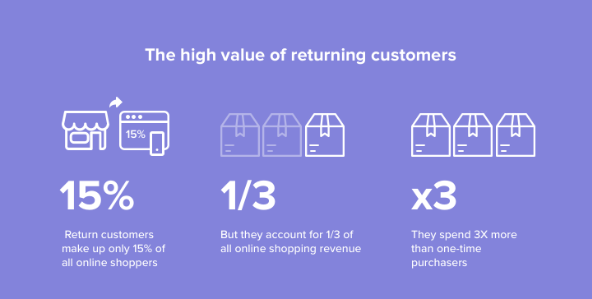
Brands that treat January as a continuation — rather than a reset — consistently outperform those that disappear.
Gift Recipients Are the Most Underrated Growth Segment
One of the least addressed audiences post-Christmas is gift recipients. These customers did not choose the brand, but they are now experiencing it for the first time. Their future behaviour is highly influenced by post-purchase onboarding, reassurance, and clarity.
Harvard Business Review highlights that customers who feel supported immediately after first use are significantly more likely to develop brand affinity — regardless of how they first encountered the product.
This makes post-Christmas communication critical. Education, guidance, and subtle brand storytelling often outperform discounts when converting gift recipients into repeat buyers.
How Data and AI Extend the Value of Christmas
By the end of December, brands hold their richest dataset of the year: purchase behaviour, product preferences, gifting patterns, and engagement signals. The brands that grow in Q1 are those that use this data — not discard it.
AI-driven analytics allow marketers to:
- identify which Christmas buyers are most likely to return
- distinguish between gifting and self-purchase behaviour
- personalise follow-up messaging based on product interaction
- recommend next-best actions without heavy discounting
According to Google, AI-driven personalisation can improve customer retention and lifetime value when applied immediately after high-intent purchase periods.
Designing a Post-Christmas Narrative That Builds Loyalty
Strong brands do not end Christmas abruptly. They transition customers thoughtfully — from gifting to everyday relevance.
This might involve:
- helping customers get more value from what they received
- reinforcing trust and reliability
- introducing loyalty or community gently
- repositioning the brand as part of daily life, not a seasonal choice
The goal is not immediate upsell. It is confidence and continuity.
Measuring Christmas Success Beyond December Revenue
In 2026, the most effective brands will no longer measure Christmas success solely by December sales. They will evaluate:
- repeat purchase rates in Q1
- engagement from festive-acquired customers
- retention of first-time buyers
- long-term customer lifetime value
This shift aligns with PwC’s consumer insights, which emphasise long-term value creation over short-term volume in retail growth strategies.
Final Thought
Christmas is not the peak — it is the opening chapter of a longer relationship. Brands that disappear after December leave growth on the table. Brands that guide customers forward turn festive demand into sustained value.
In 2026, the strongest Christmas strategies won’t end on 25 December.
They’ll be measured by how many customers are still engaged long after the decorations come down.



23.png)