How to Win SEO in 2025: AI-Aware Strategies
Search engine optimisation (SEO) has always been a fast-evolving field. However, the rise of artificial intelligence (AI) has introduced a seismic shift in how businesses approach visibility online. From AI-generated search results to new patterns in user behaviour, SEO in 2025 is no longer just about ranking on Google - it’s about getting found and recognised across platforms like ChatGPT, Gemini, and Perplexity.
This article is all about the game-changing strategies businesses need right now. We'll break down what's working, what needs a fix, and how AI is totally shaking up the world of SEO.
Understanding SEO’s Evolution in the Age of AI
For over a decade, SEO strategies revolved around improving website rankings on Google to drive traffic and conversions. While the fundamentals of SEO remain intact, artificial intelligence has changed how search engines present information and how users interact with it.
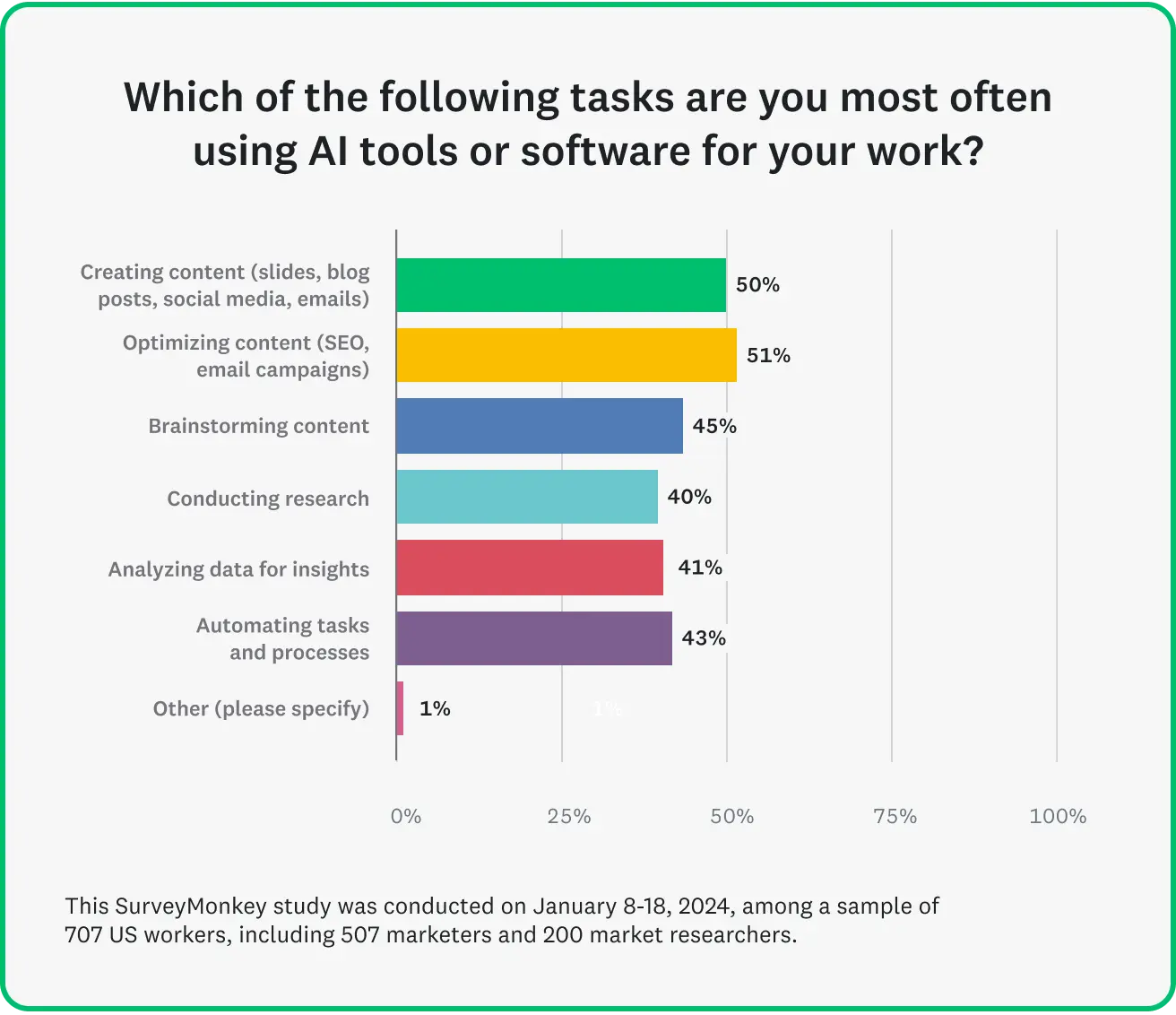
So, check this out: Google's AI search, with those cool overviews and chat features, is now basically just giving users the answers right there on the results page. This means people often don't even need to click on a website. It's a double-edged sword for businesses. Sure, you still need to be visible, but those old-school click-through rates (CTR) aren't the be-all and end-all anymore. The real game changer is figuring out how to get your info directly into that synthesized conversation.
How AI Impacts Search Behaviour
- Direct Answers on Search Pages: AI-generated responses provide quick, structured answers to user queries right on the search results page.
- Conversational Search: Users increasingly rely on natural language and question-based queries, a trend amplified by voice search and AI chat tools.
- Generative Engine Optimisation (GEO): Beyond Google, platforms like ChatGPT and Gemini require businesses to optimise for visibility in AI-driven environments.

What Still Works: The Foundations of Modern SEO
AI may be reshaping search, but the core principles of effective SEO remain unchanged. To succeed, professionals must focus on creating audience-first content, maintaining strong website foundations, and leveraging on-page optimisation techniques.
1. Creating Helpful, User-Focused Content
Content remains king in SEO, but the emphasis has shifted to hyper-specific, high-quality content that aligns with users' intent. Rather than creating broad "catch-all" guides, businesses should produce targeted resources that resonate with their niche audiences.
- Build topical depth by clustering related content around key themes.
- Ensure content is structured with clear headings, bullet points, and summaries to improve readability and engagement.
- Invest in internal and external linking to demonstrate authority and relevance.
2. Strong Site Foundations
Search engines favour websites with excellent usability and technical reliability. Key areas to address include:
- Page Speed: A fast-loading website enhances user experience and boosts rankings.
- Mobile-Friendly Design: With mobile-first indexing, ensuring your site performs well on smaller screens is a must.
- Security: HTTPS is a non-negotiable signal of trust for both users and search engines.
3. On-Page Optimisation
Optimising individual pages improves both user experience and rankings.
- Use header tags (H1, H2) to structure content logically.
- Add descriptive alt text for images to improve accessibility and SEO.
- Include schema markup to help search engines understand your content’s context.
Shifting Your Focus: Leaning into AI Opportunities

While foundational SEO practices continue to deliver results, adapting to AI-driven trends can amplify your visibility. Here are three areas to prioritise:
1. Emphasising First-Hand Experience
As AI-generated content floods the internet, search engines increasingly favour content that showcases genuine expertise, authority, and trust.
- Personalise content by including anecdotes, case studies, and testimonials.
- Add authorship pages with bios, credentials, and links to thought leadership content.
- Replace generic stock images with real photos to humanise your brand.
2. Boosting Engagement and Conversions
With fewer clicks to compete for, maximising the value of every visitor matters more than ever.
- Use custom calls-to-action (CTAs) tailored to the blog post’s topic (e.g., downloadable templates, checklists).
- Embed videos and interactive elements to improve dwell time.
- Ensure user intent aligns with the content and CTAs for better conversions.
3. Building Brand Visibility Beyond Clicks
AI tools synthesise reviews and sentiments to summarise brands succinctly. To build trust:
- Proactively manage reviews on platforms such as Google Maps and Facebook.
- Respond to reviews thoughtfully to demonstrate authenticity.
- Create content that positions your brand as a thought leader in your niche.
Adapting and Future-Proofing Your SEO Strategy
As search evolves, businesses must adopt a holistic approach to SEO, combining technical excellence with a focus on user-centric, AI-aware tactics.
Key Steps to Future-Proof Your Strategy:
- Integrate AI-Friendly Practices: Use emerging tools like LLMs.txt, which help AI engines better understand your website.
- Measure Beyond Clicks: Pay attention to impressions and visibility metrics, not just traffic numbers.
- Communicate Impact Clearly: Translate technical SEO insights for non-technical stakeholders to showcase value.
It’s also essential to stay informed on changes in search behaviour. For instance, Google’s paid ad strategies and advancements in AI tools will continue to influence visibility and engagement trends.
Key Takeaways
- AI is reshaping the search landscape: Optimising for visibility across platforms like ChatGPT and Gemini is now part of SEO.
- Content quality matters more than ever: Create hyper-specific, audience-first content that aligns with user intent.
- Focus on first-hand expertise: Build trust by showcasing your credentials, adding real-world stories, and emphasising human perspectives.
- Boost engagement with tailored CTAs: Align conversion points with the user’s intent to maximise lead generation.
- Google reviews and brand sentiment are key: AI tools summarise reviews to influence search visibility - grow and manage yours carefully.
- Stay adaptable: Implement emerging technologies like LLMs.txt and monitor AI-driven changes to maintain a competitive edge.
By combining proven strategies with AI-focused adaptations, businesses can ensure their SEO efforts remain effective in 2025 and beyond. Put your audience first, constantly evolve, and let genuine expertise shine through - these principles are more timeless than any algorithm update.




23.png)