Social Platforms as Marketplaces: What Marketing Looks Like When Checkout Is Native
Social media is no longer just influencing purchase decisions — it is increasingly where the purchase happens. As platforms like TikTok, Instagram and YouTube embed native checkout into their ecosystems, the traditional model of “discover on social, convert on site” is breaking down.
This isn’t a cosmetic platform update. It’s a structural shift in how commerce, data, and marketing operate — and it will shape how brands grow in 2026 and beyond.
Why Social Platforms Are Becoming Marketplaces
Platforms are pushing native checkout for one simple reason: control. When transactions happen inside the app, platforms gain visibility across the full customer journey — from content consumption to conversion. This allows them to optimise product distribution algorithmically, using engagement signals, purchase behaviour, and creator influence in real time.
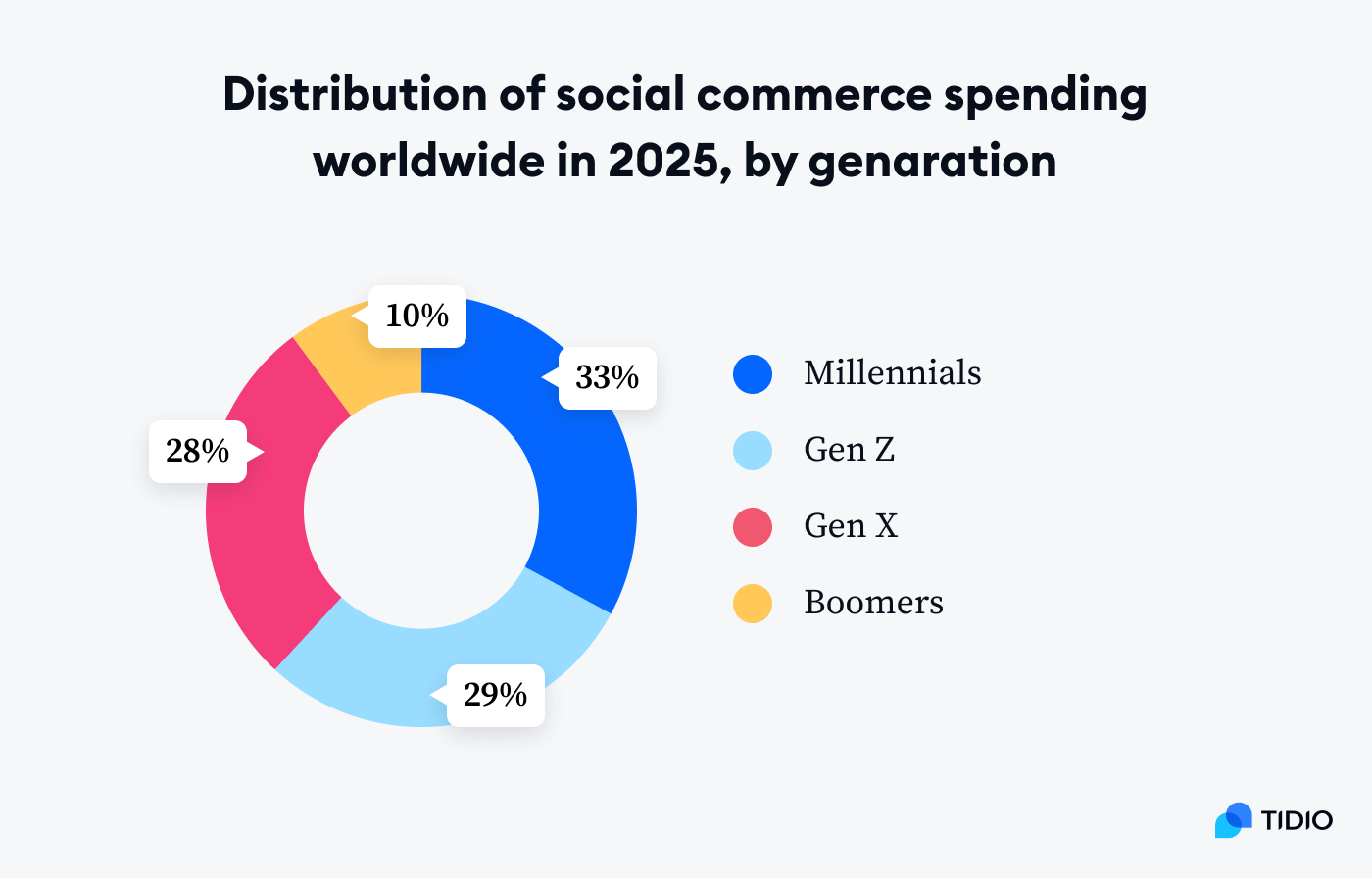
According to McKinsey, social commerce is expected to account for up to 20% of global eCommerce sales by 2026, driven largely by platform-native purchasing experiences.
For platforms, native checkout reduces friction, increases session time, and unlocks higher-margin revenue streams. For consumers, it shortens the path from discovery to purchase. For brands, however, it changes almost everything.
From Driving Traffic to Performing Inside Platforms
Historically, marketing success was measured by how efficiently social platforms drove traffic back to owned websites. With native checkout, traffic is no longer the goal — conversion inside the platform is.
This creates a new operating reality: brands must optimise content, product feeds, pricing, and fulfilment to perform well within someone else’s ecosystem. Discovery, persuasion, and conversion now happen in the same place.
Meta has confirmed that ads with in-app checkout see higher conversion rates due to reduced drop-off between click and purchase.
Content Becomes the Storefront
When checkout is native, content is no longer a supporting asset — it is the storefront. Short-form video, creator content, live shopping, and social proof all function as real-time product pages.
This is especially visible on TikTok Shop, where product discovery is driven by entertainment-first content rather than brand-led messaging. TikTok reports that users are 1.5× more likely to purchase a product after seeing it demonstrated in video.
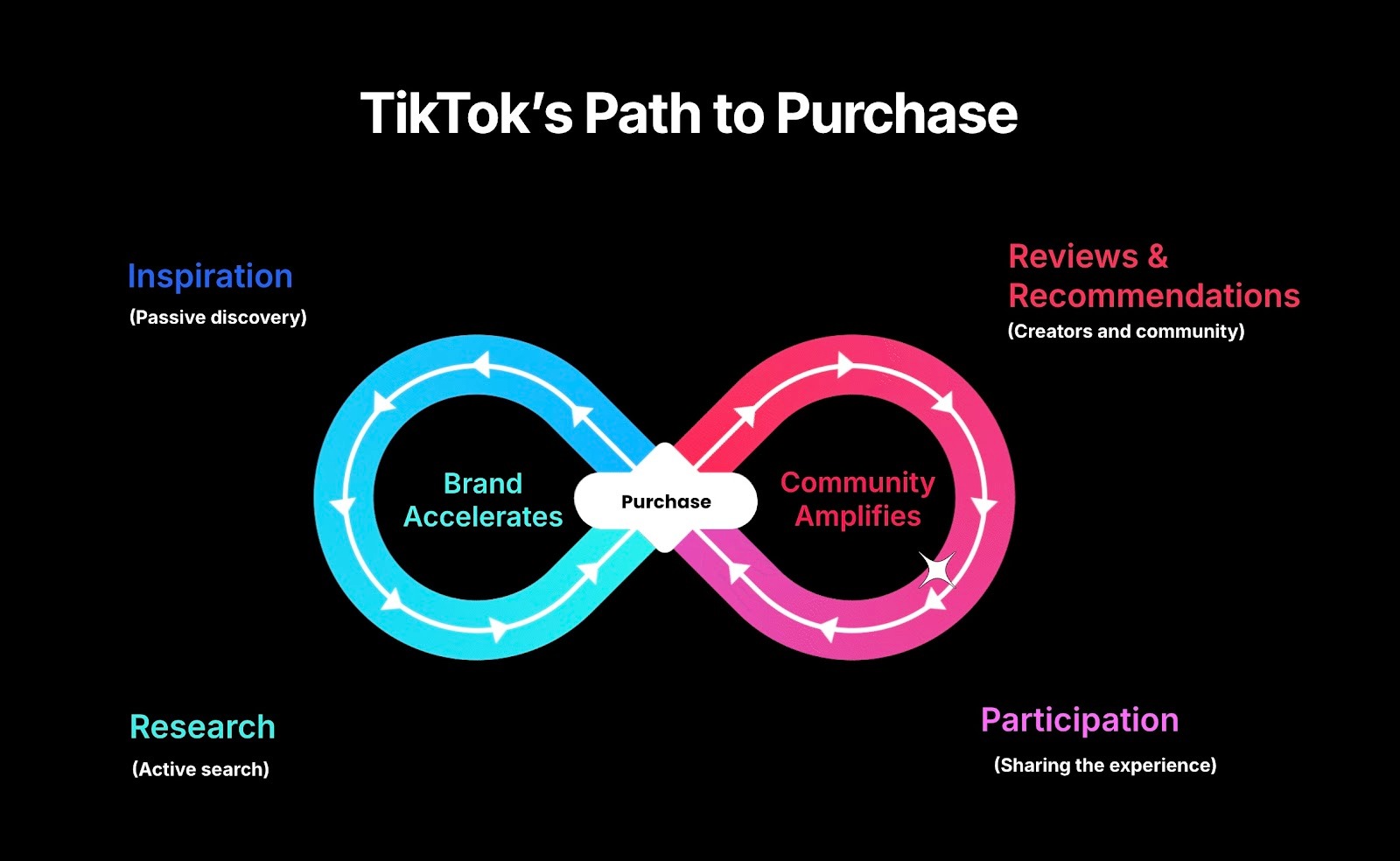
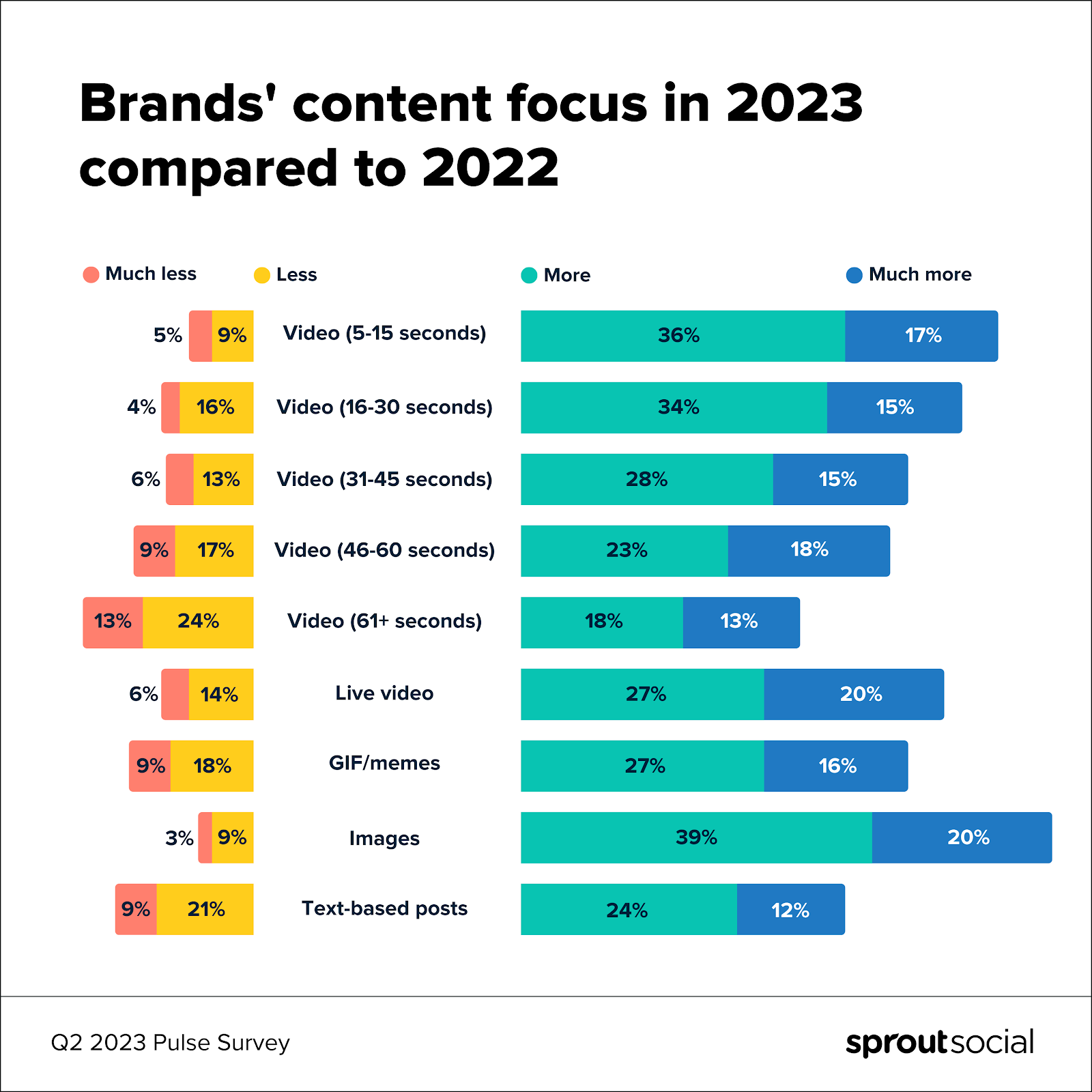
As a result, creative strategy shifts away from polished brand storytelling and towards credibility, context, and demonstration. The best-performing assets feel native, not produced.
The Rise of Algorithmic Merchandising
In traditional eCommerce, merchandising decisions were manual — homepage placements, featured collections, promotional banners. In social commerce, merchandising is automated and algorithmic.
Platforms decide which products surface based on:
- engagement velocity
- creator interaction
- review sentiment
- price competitiveness
- fulfilment reliability
This mirrors what Amazon has done for years — but applied to content feeds rather than search results. According to Forrester, algorithm-led product discovery now outperforms manual merchandising in conversion efficiency.
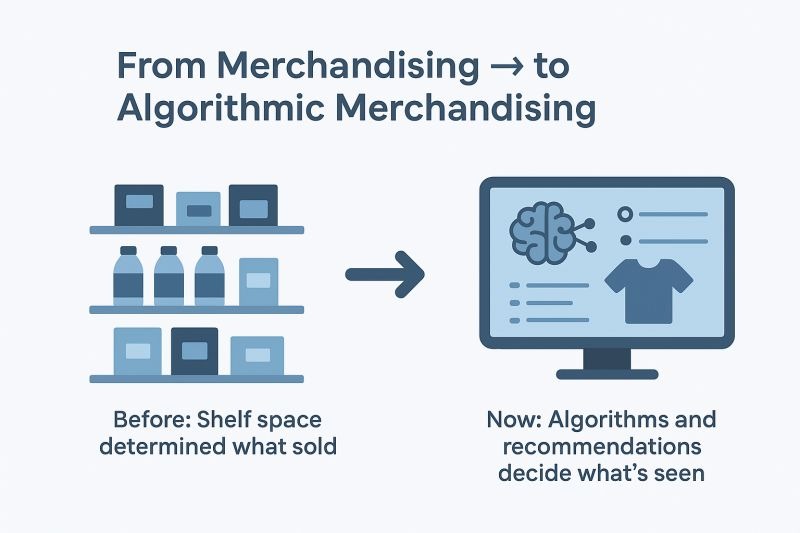
Marketing teams must therefore think less like media buyers and more like signal optimisers, ensuring every product generates the behavioural data platforms reward.
What Happens to Attribution and Data Ownership
Native checkout also disrupts attribution. When transactions happen inside platforms, brands lose visibility into the full customer lifecycle. While platforms report conversions, they often limit access to granular customer data.
This is forcing a shift away from last-click attribution and towards incrementality, contribution analysis, and blended measurement. Google itself has acknowledged that cross-platform journeys are becoming harder to track deterministically.
The implication is clear: perfect attribution is no longer realistic. Strategic direction matters more than precision.
The Strategic Trade-Off: Control vs Conversion
Native checkout creates a trade-off that leadership teams must confront. Platforms deliver speed, reach, and conversion efficiency — but at the cost of brand control, first-party data, and direct customer relationships.
This is why many high-performing brands are moving towards hybrid strategies:
- using social platforms for discovery and fast conversion
- retaining owned channels for loyalty, repeat purchase, and brand depth
The brands that win in 2026 won’t choose one or the other — they’ll design intentional roles for each channel.
Where SEO and AI Fit Into This Shift
SEO and AI don’t disappear in a social-commerce world — they become connective tissue.
SEO captures early intent when users research products outside social platforms. AI then interprets real-time behavioural data to adapt creative, targeting, and distribution inside platforms. Together, they create continuity across fragmented journeys.
According to Google, users now move fluidly between search, video, social, and marketplaces before buying — often multiple times.
Marketing in 2026 will be less about channels and more about systems that respond to intent wherever it appears.
What Marketing Looks Like When Checkout Is Native
When social platforms function as marketplaces, success is no longer defined by clicks or traffic volume. It is defined by how effectively brands perform within algorithmic environments they do not fully control.
The brands that succeed will:
- design content that sells without feeling like ads
- optimise for platform signals, not just reach
- accept imperfect attribution in favour of directionally correct decisions
- balance platform efficiency with owned-channel resilience
Final Thought
Social platforms becoming marketplaces is not a trend — it’s an infrastructure change. As checkout becomes native, marketing moves closer to the transaction, and the line between media, commerce, and product experience disappears.
The question for brands heading into 2026 is no longer whether to sell on social platforms.
It is how strategically they manage the trade-off between speed, scale, and control — and how well they integrate SEO, AI, and social commerce into one coherent system.



23.png)