ChatGPT now sells shopping ads. Should you care yet?
OpenAI has launched product-feed ads inside ChatGPT. Here's what the new surface is,
who it suits, and whether it's worth testing now or safe to wait.
OpenAI has started selling shopping ads. Product-feed ads are now in beta inside ChatGPT's Ads Manager, which means the most-used AI assistant in the world is becoming a paid commercial surface. ChatGPT shopping ads arrive alongside two other launches this month — Meta's Business Agent going live and Microsoft's Product Explorer — and together they mark the point where "AI search" stops being purely a content problem and starts being a media-buying one.
The reflexive takes are already out: either this changes everything, or it's a beta no serious advertiser should touch. Both are lazy. The useful question is narrower — does this surface fit how your customers actually buy, and if so, what would a sensible first test look like?
What ChatGPT shopping ads actually are
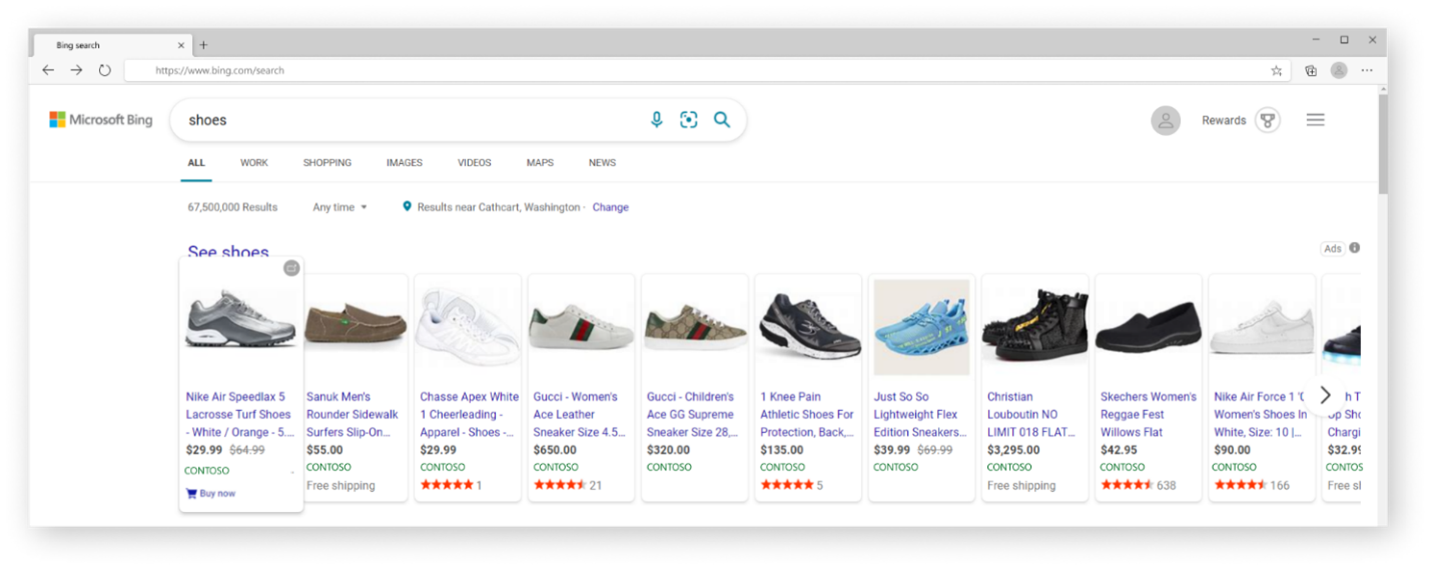
The format is a product-feed ad, much like Google Shopping or Microsoft's catalogue ads: you supply a product feed, and OpenAI's system surfaces relevant products inside ChatGPT conversations where there's commercial intent. The pitch is intent quality — when someone is mid-conversation asking ChatGPT to help them choose a running shoe or a standing desk, a relevant product placement reaches them at a higher-consideration moment than a broad display impression ever could.
It's a beta, so inventory, reporting and targeting controls are thinner than the mature platforms. Don't expect Google-grade segmentation or attribution on day one, and don't build your quarter around it.
Who this suits — and who can wait
This isn't a DTC-only story, even though DTC brands will be quickest off the mark. The surface rewards any business whose customers research purchases conversationally, and that cuts across sectors.
Worth a look sooner
- E-commerce and retail with a clean product feed already running on Google Shopping — the marginal cost of extending into another feed-based surface is low.
- Considered-purchase categories — electronics, furniture, tools, travel kit — where buyers genuinely ask an assistant to compare options before they commit.
- Brands with healthy margins and room to fund exploratory budget without sweating the CPA for a quarter.
Safe to wait
- Lead-gen and service businesses with no product feed — the format doesn't fit yet, though conversational lead formats will almost certainly follow.
- Low-margin, high-volume sellers who need a proven CPA before committing spend — a thin-data beta is the wrong place for you right now.
- Anyone whose Google and Meta accounts still carry obvious unfixed waste. A new
channel won't fix an old leak, and the money is better spent plugging it.
What a sensible first test looks like

If you're in the "sooner" camp, treat this as exploration, not expansion. Carve out a small, ring-fenced budget you're willing to spend for learning rather than return. Use your existing best-performing product feed rather than building something bespoke — the point is to learn whether the surface converts at all before you invest in optimising it.
Set the success criterion before you launch, and make it honest. In a thin-data beta you're not measuring a mature CPA; you're answering simpler questions. Does it spend? Does it convert at all? Is the traffic quality plausibly better than a cold display audience? Those reads are enough to decide whether it earns a bigger test next quarter.
Keep measurement separate. Don't let beta spend muddy the reporting on your proven
channels — tag it, isolate it, and judge it on its own terms.
The bigger shift to watch
Whether or not ChatGPT shopping ads work for you today, the direction is clear. The AI assistants that have spent two years eroding organic clicks are now monetising the attention they captured. For advertisers that means the list of channels you optimise will keep growing, and the brands that win the new surfaces tend to be the ones who treated them as cheap experiments before the auctions got crowded. The cost of testing is rarely lower than at beta.
Do this this week
- Decide honestly which camp you're in — sooner or wait — using the lists above, not the hype.
- If you're waiting, fix the obvious waste in Google and Meta first; that's a better use of the same money.
- If you're testing, ring-fence a learning budget and nominate your single best product feed.
- Write down your success criterion — spend, conversion, traffic quality — before you launch, not after.
- Set a calendar date to review and decide: scale, hold, or drop.
New surfaces are easy to chase and hard to judge. If you want a clear-eyed view on which emerging channels deserve your budget and which are noise, that's the call our paid teams make with clients every week.
FAQ
Are ChatGPT shopping ads available to everyone?
Not yet — they launched in beta inside ChatGPT's Ads Manager, so access and features are limited and will broaden over time. Treat current availability as a testing opportunity, not a finished platform.
Do I need a separate product feed for ChatGPT ads?
The format is feed-based, like Google Shopping, so if you already run a clean Shopping feed you can extend from it rather than build from scratch. That low marginal cost is exactly why feed-ready retailers should look first.
Should I move budget out of Meta or Google to test this?
No. Fund any test from a small ring-fenced learning budget, not by cannibalising a channel that already works. Judge the beta on its own terms before deciding whether it deserves a bigger share.



23.png)